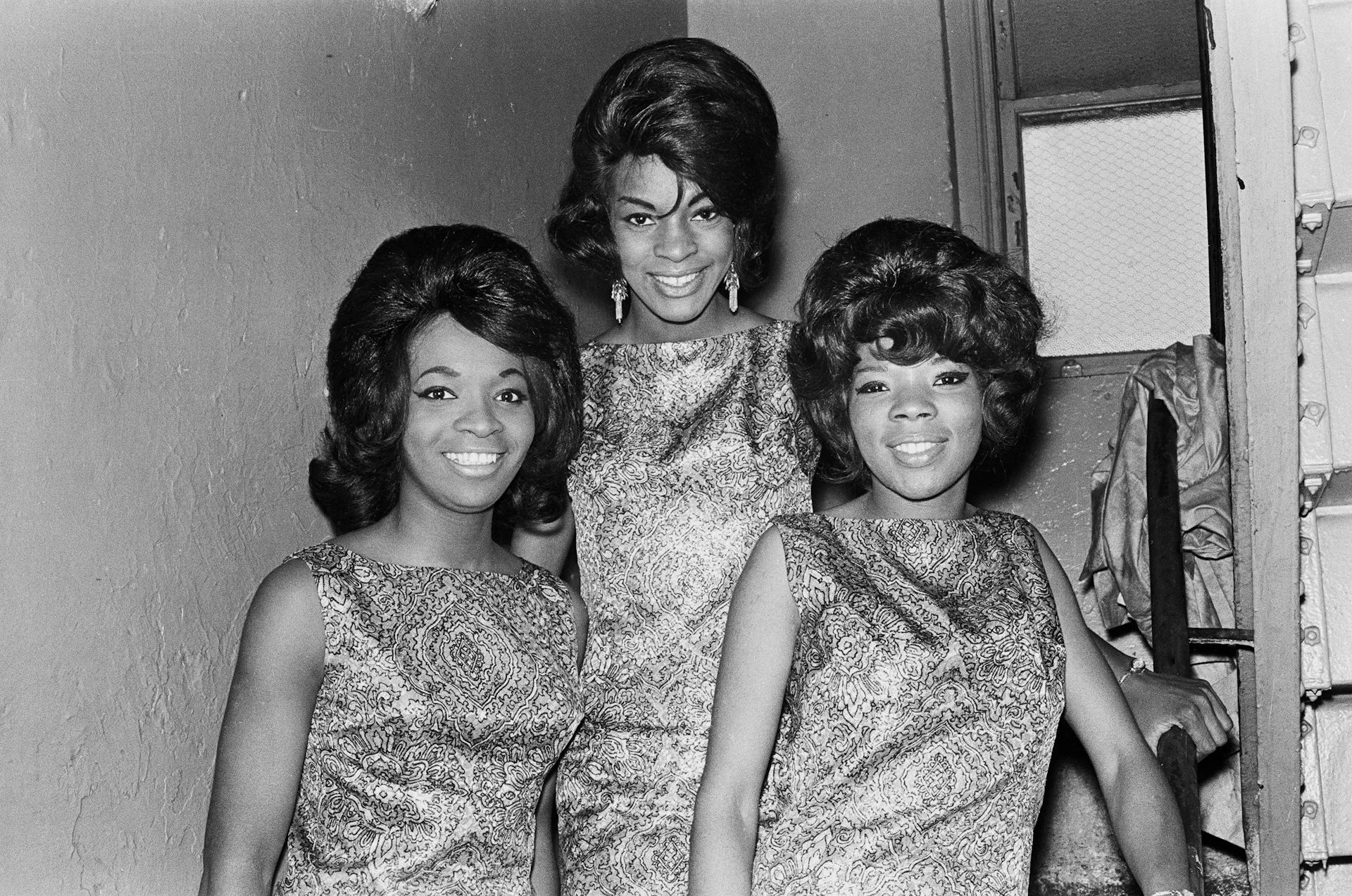
On June 28, 1965, CBS launched its Detroit-focused broadcast of "It's What's Happening Baby" with a striking opening: a music video of Martha and the Vandellas performing their hit "Nowhere to Run." The setting was unlike anything audiences had seen — the Detroit trio, perched in a white Mustang, sang of heartbreak and longing while the car crept slowly down the assembly line at Ford Motor Co.'s River Rouge plant.
As a cultural and labor historian, I read that video as more than a promotional clip. It is an enduring symbol of Detroit's identity as the "Motor City" and of the autoworker's place in the American cultural imagination.
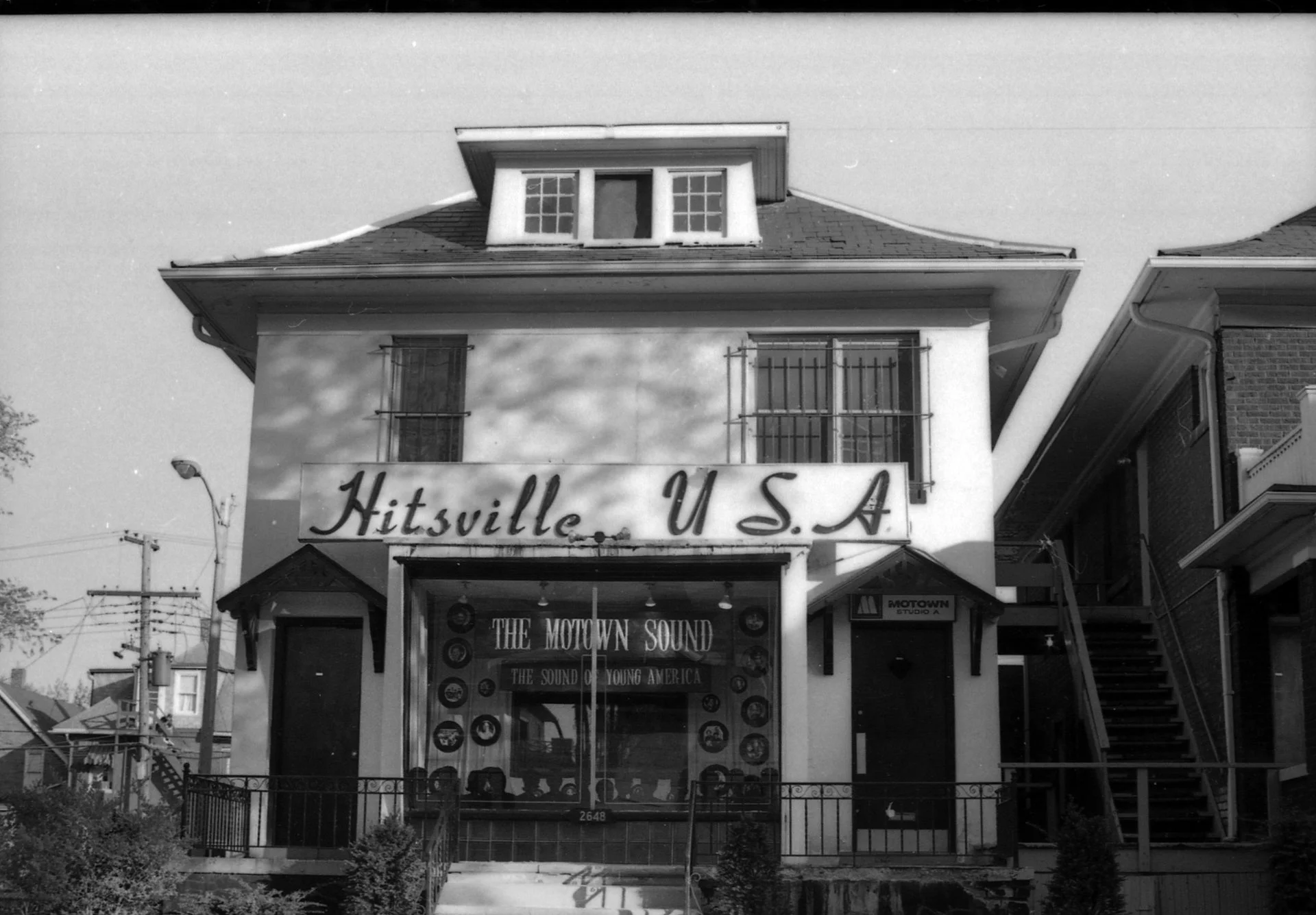
That connection between the factory floor and popular music ran deep at Motown. Founder and CEO Berry Gordy, Jr. had himself worked on a Ford assembly line, and he drew directly on that experience when building Hitsville U.S.A. — the label's celebrated headquarters and recording studio, where performers were trained and the signature "Motown sound" was polished to a commercial sheen.
Martha and the Vandellas were central to that sound. Originally comprising Martha Reeves, Rosalind Ashford and Annette Beard — with the lineup shifting over the following three decades — the group helped define the Black "girl group" in American pop. Their working-class presentation, embodied in videos like "Nowhere to Run," was deliberate and resonant. And their towering anthem "Dancing in the Street" captured the defiant energy of the civil rights era. As lead vocalist, Reeves also carved out a template for the R&B "diva" — a lineage that would eventually include Whitney Houston, Janet Jackson, Mary J. Blige and Beyoncé.
A patient path to stardom
Martha Reeves was born in Eufaula, Alabama, on July 18, 1941, and her family relocated to Detroit's east side shortly after. Music was woven into her upbringing from the start.
In her 1994 memoir, Dancing in the Street: Confessions of a Motown Diva, Reeves recalls her father playing guitar and serenading her mother while she was pregnant with Martha. Her mother, Ruby, sang as well. That household devotion to music shaped Reeves early — she sang in her church choir and set her sights on a life in performance.
"At that young age I was already hooked on pleasing the crowd with my singing," Reeves wrote.
After graduating from Northeastern High School, Reeves used fake IDs to slip into Detroit nightclubs and study the singers she admired. She performed at open mics and talent shows, and landed her first significant break when she scored a three-night engagement at the 20 Grand, a prominent club at the corner of 14th Street and Warren Avenue.
It was there that she crossed paths with William Stevenson, Motown's talent scout. He invited her to the label's headquarters — but the audition never happened, for reasons that remain unclear. Instead, Stevenson put her to work answering phones. That unglamorous beginning led to a position in Motown's A&R department and, eventually, to everything that followed.
In 1957, Reeves had joined the Del-Phis, a group formed by Edward "Pops" Larkins that also included Gloria Jean Williamson, Rosalind Ashford and Annette Beard. Her fortunes shifted in September 1962, when Stevenson called on her to fill in for Mary Wells during a Marvin Gaye studio session. Reeves brought the other Del-Phis along, and the group performed well enough to become Gaye's regular backing vocalists.
After touring with Gaye and recording "I'll Have to Let Him Go," Gordy offered Reeves, Beard and Ashford a recording contract. The group also got a new name: Martha and the Vandellas.
Commercial success followed quickly, with early hits including "Come and Get These Memories," "Quicksand" and "Heatwave."
An anthem for revolution set to a groove
"Dancing in the Street," written by Marvin Gaye, William Stevenson and Ivy Jo Hunter, was released in the summer of 1964 and became the group's defining song — even though, by her own account in her autobiography, Reeves initially disliked it.
She made it her own regardless, and came to recognize what it represented. The song, she later acknowledged, embodied the spirit of civil rights protest.
"It became the anthem of the decade," Reeves wrote. She was right.
The song arrived at a moment of mounting fury. Black Americans in Harlem were already in the streets, protesting the killing of 15-year-old James Powell by an off-duty NYPD officer. The 1960s would bring a succession of "long, hot summers" as racial tensions boiled over. Residents of the Watts neighborhood in Los Angeles rose up in 1965 against police brutality. Martin Luther King Jr.'s assassination in 1968 sparked more than 100 uprisings, from Chicago to Washington to Baltimore.
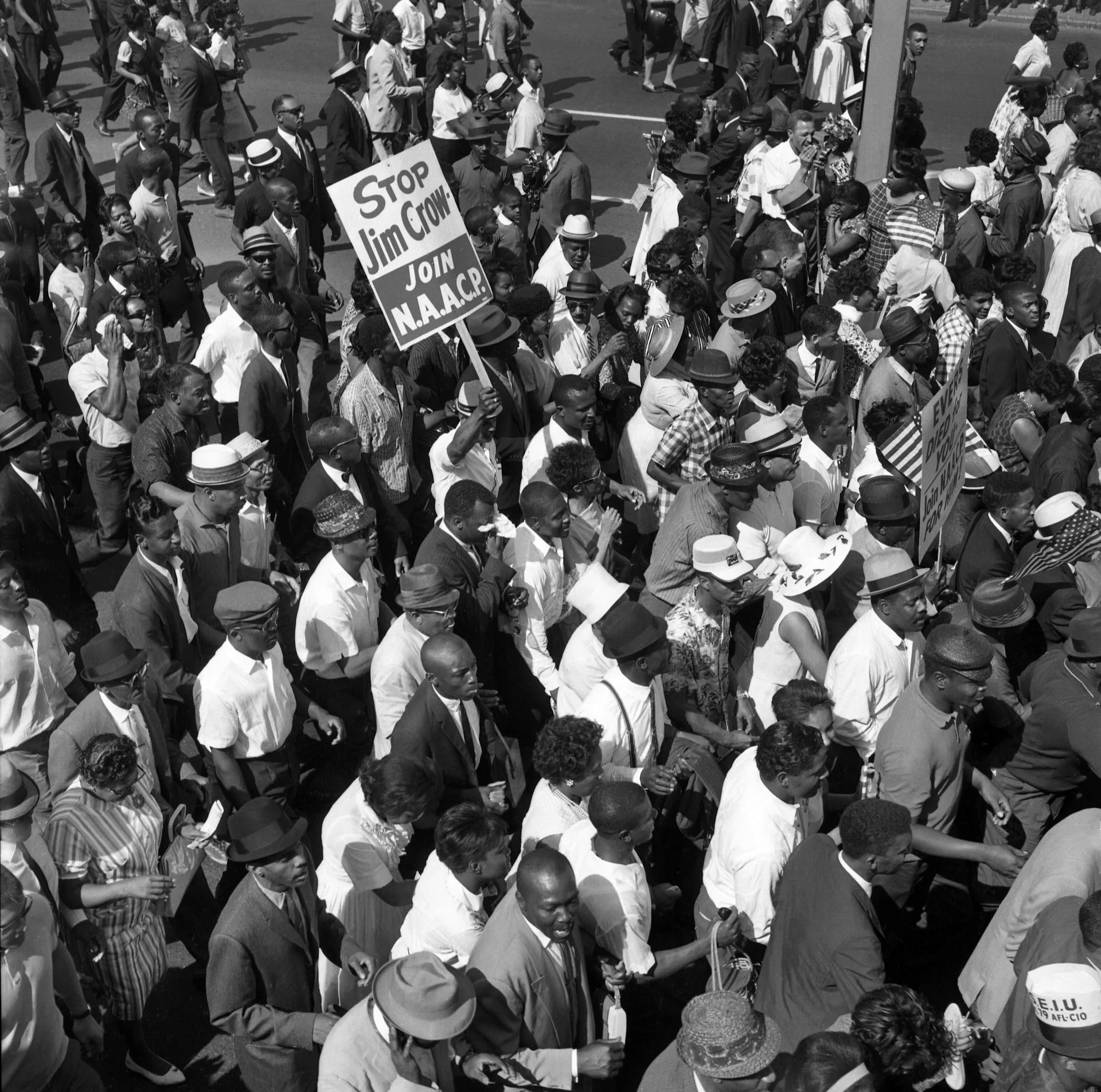
Detroit itself erupted in July 1967, after police raided a "blind pig" — an unlicensed bar — on 12th Street.
Against that backdrop, the song's opening lines carried unmistakable weight: "Calling out around the world / Are you ready for a brand new beat?" The declaration that "Summer is here and the time is right for dancing in the street" read not just as an invitation to celebrate, but as a rallying cry — an expression of Black Americans' willingness to take direct action in the pursuit of equality and justice.
Battle for fair pay and recognition
The late 1960s and early 1970s brought turbulence for Reeves and the Vandellas. The Supremes' rising star threatened to overshadow them within the Motown stable. Reeves clashed with label executives over creative direction and struggled with drug addiction. Then, in 1972, Gordy relocated Motown to Los Angeles to pursue filmmaking, severing the label's ties to the city that had defined it.
Martha and the Vandellas disbanded that same year, following the release of their album Black Magic. Reeves pressed on as a solo artist, releasing five albums — among them her self-titled 1974 debut, The Rest of My Life (1976) and We Meet Again (1978).
A revival came in the 1980s. Motown Records' 25th anniversary concert in Pasadena in 1983 returned the group to mainstream visibility, and Martha and the Vandellas reunited for live performances in 1989.
That same year, unresolved grievances with the label came to a head. Reeves and various Vandellas members sued Gordy and Motown for unpaid royalties. The suit settled in 1991 for an undisclosed sum. Four years later, presented by the B-52s, the group was inducted into the Rock and Roll Hall of Fame.
The diva archetype
Martha and the Vandellas laid essential groundwork for the Black female groups that followed — among them En Vogue, TLC, SWV and Destiny's Child. They demonstrated how songs rooted in love and heartbreak could transcend the personal and become communal anthems.
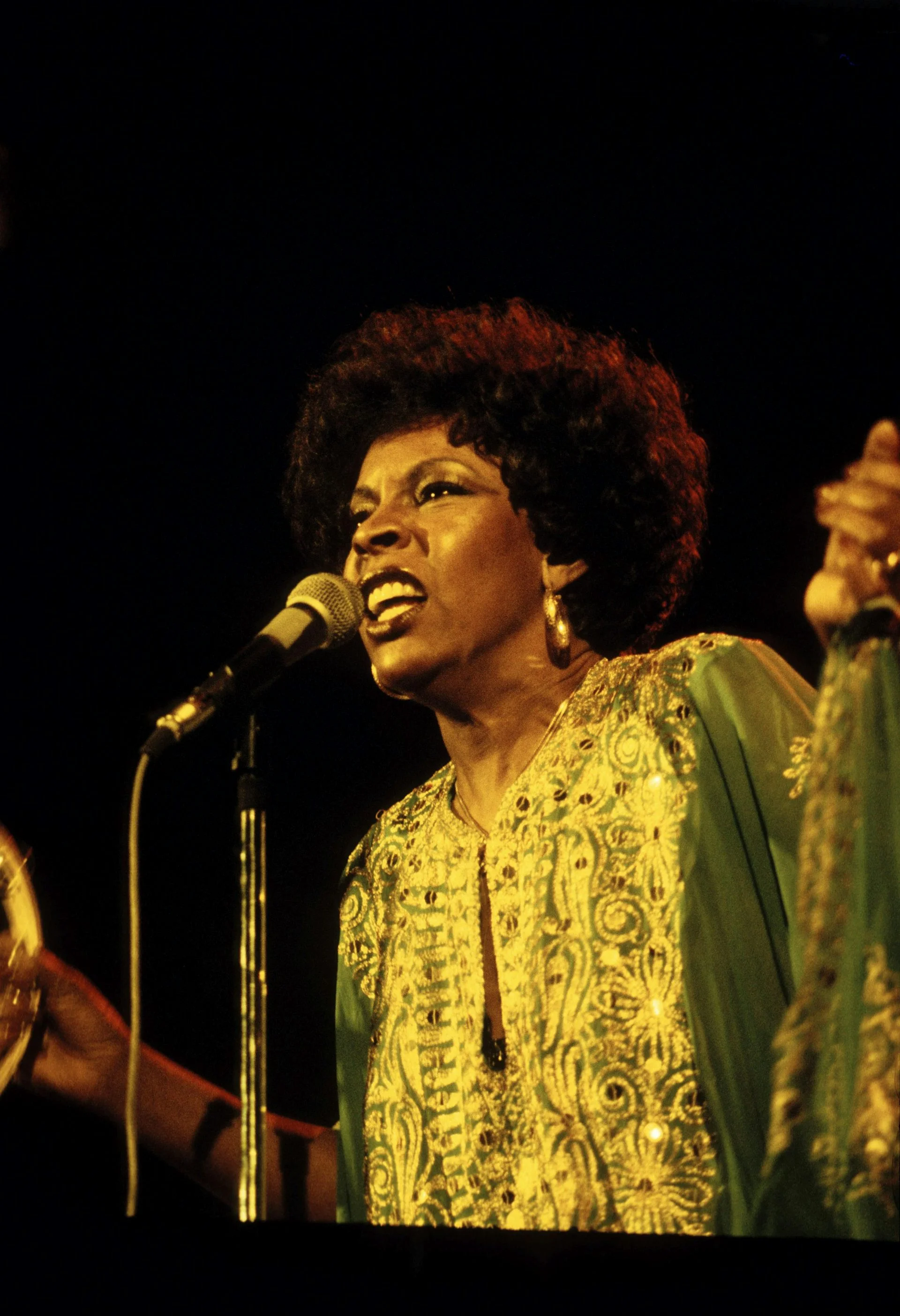
Reeves embodied the R&B diva long before the term entered the critical vocabulary — and she understood the role in its fullest sense: not just as a commanding vocal presence, but as an artist who insisted on ownership of her own career.
"We became the Vandellas and with me being the only lead singer, my name was put out there because I did all the work," Reeves said in a 2020 interview. "I did all the singing … I managed to just come up with my own destiny, with my own future in show business."

Austin McCoy does not work for, consult, own shares in or receive funding from any company or organization that would benefit from this article, and has disclosed no relevant affiliations beyond their academic appointment.