If you caught the 2026 Super Bowl, you likely saw Serena Williams open up about her experience with GLP-1 weight loss medications in a widely watched commercial. For many viewers, it was a prompt to do what millions of Americans have already done: search online for information about where to get these drugs and what they cost.
Interest in GLP-1 medications like Ozempic and Wegovy has surged dramatically since 2022, and celebrity endorsements like Williams' only accelerate that momentum. As advertisements for these drugs proliferate across TV, social media and search results, they can be appealing, disorienting — or outright deceptive. Regulators have raised serious concerns about inappropriate use and adverse health events. Meanwhile, the steep cost of brand-name GLP-1 drugs and spotty insurance coverage have created fertile ground for a thriving online market in cheaper, unverified alternatives.
As health services researchers focused on prescription medication safety, we have deep concerns about the risks posed by online advertisements promoting alternative versions of these drugs.
Not all GLP-1 medications are the same
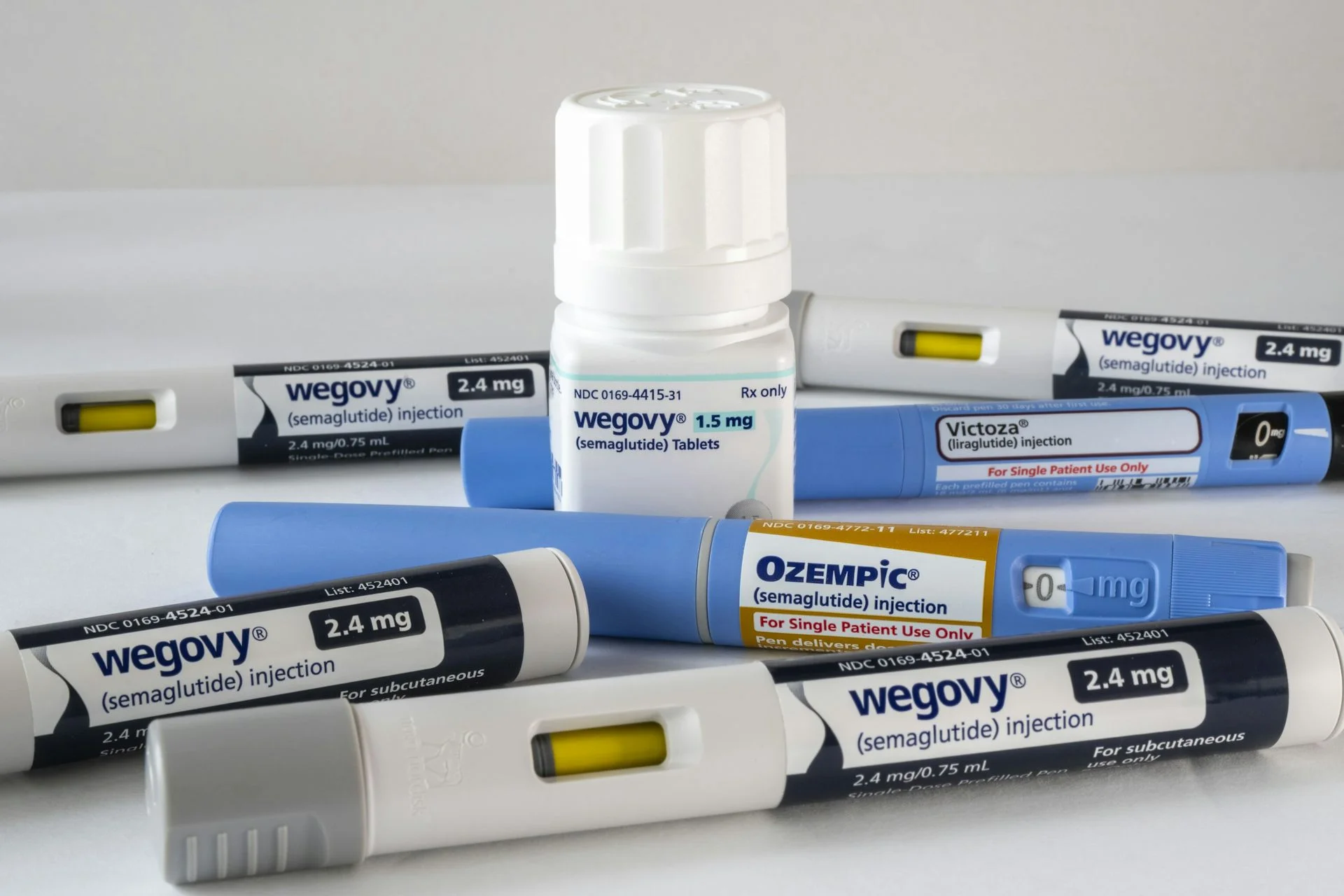
As of April 2026, the FDA-approved GLP-1 medications include semaglutide — marketed under the brand names Wegovy, Ozempic and Rybelsus — tirzepatide, sold as Mounjaro or Zepbound, and orforglipron, now available as Foundayo. Each has passed rigorous clinical trials and exhaustive FDA review covering clinical data, manufacturing practices and facility inspections.
Many of the GLP-1 products advertised online, however, are not these approved medications. Instead, they are "compounded" formulations produced by compounding pharmacies. While they may contain the same active ingredient — semaglutide, tirzepatide or orforglipron — compounded versions often incorporate different salt forms, altered inactive ingredients or varying drug concentrations. They may also be produced and stored under inconsistent quality standards.
Compounding pharmacies were designed to serve a narrow purpose: crafting personalized medications for patients with needs that standard commercial products cannot meet. There is no evidence that the modifications being made to GLP-1 drugs by these pharmacies satisfy that criterion. Instead, many companies are exploiting the compounding framework to circumvent FDA-approved manufacturers and profit from consumer demand.
In February 2026, the FDA issued a report warning patients and providers about the hazards of compounded GLP-1 products. The report flagged counterfeit Ozempic, the use of non-FDA-approved substances such as retatrutide and cagrilintide, and products deliberately mislabeled as "not for human consumption" to evade regulatory scrutiny.
Through July 2024 — the most recent reporting period — the FDA had received more than 1,000 adverse event reports linked to compounded semaglutide and tirzepatide. Reported harms range from nausea, vomiting and abdominal pain to fainting, dehydration, migraines, acute pancreatitis and gallstones — many attributable to wide variations in drug concentration that lead to serious dosing errors.
Steps to safely obtain GLP-1 medications online
Before exploring where to obtain GLP-1 medications, it's important to understand who they're actually intended for. Leading medical organizations have established clear guidelines on appropriate use of these drugs. The American Diabetes Association recommends GLP-1 medications for weight loss only in patients with a body mass index of 30 or higher, or for those with a BMI of 27 or above who also have a related condition such as type 2 diabetes, hypertension or high cholesterol. Patients with a BMI below 27 require further clinical evaluation before these medications would be considered appropriate.
If you and your doctor agree that a GLP-1 drug is right for you, avoid compounded formulations unless your provider has a specific clinical reason to recommend one. But distinguishing compounded products from FDA-approved ones takes some vigilance.
Start with the product labeling. Websites selling compounded GLP-1 drugs are prohibited from using brand names like Ozempic, Wegovy or Zepbound. If a product listing contains spelling errors or phrases like "compounded," "generic version" or "same active ingredient as [brand name]," that's a strong signal it's not an FDA-approved medication. When uncertain, contact the retailer directly and ask whether the product is a compounded drug.
For the most reliable online access, look to platforms operated by the manufacturers themselves. Official portals such as Novocare and LillyDirect offer verified medication information, transparent pricing, home delivery and pharmacy pickup options — reducing the risk of encountering misleading products.
Red flags to watch for
Any online retailer offering GLP-1 drugs without requiring a prescription or medical evaluation is operating illegally and unsafely. Similarly, sites that advertise how easy it is to get a prescription — or that only require an online form in lieu of a real consultation — should be treated with skepticism. Patients should always begin with a visit to their primary care provider, who can assess their full medical history before recommending treatment.
Verify that the pharmacy fulfilling any online order is properly licensed and U.S.-based. Many online sellers rely on compounding pharmacies that are located outside the United States or lack proper licensing. Confirm that the dispensing pharmacy has a verifiable U.S. physical address and phone number, is listed on the FDA's database of registered compounding facilities, and holds a license from the board of pharmacy in the state where it operates. If the retailer won't disclose which pharmacy it uses, that alone is cause for concern.
Finally, once your medication arrives, inspect it carefully. Proper packaging, clear labeling and a visible expiration date are baseline requirements. Products that arrive without these features — or with foreign-language packaging — may be unverified or unsafe.

Sujith Ramachandran receives funding from the National Community Pharmacy Association.
Liang-Yuan (Claire) Lin does not work for, consult, own shares in or receive funding from any company or organization that would benefit from this article, and has disclosed no relevant affiliations beyond their academic appointment.