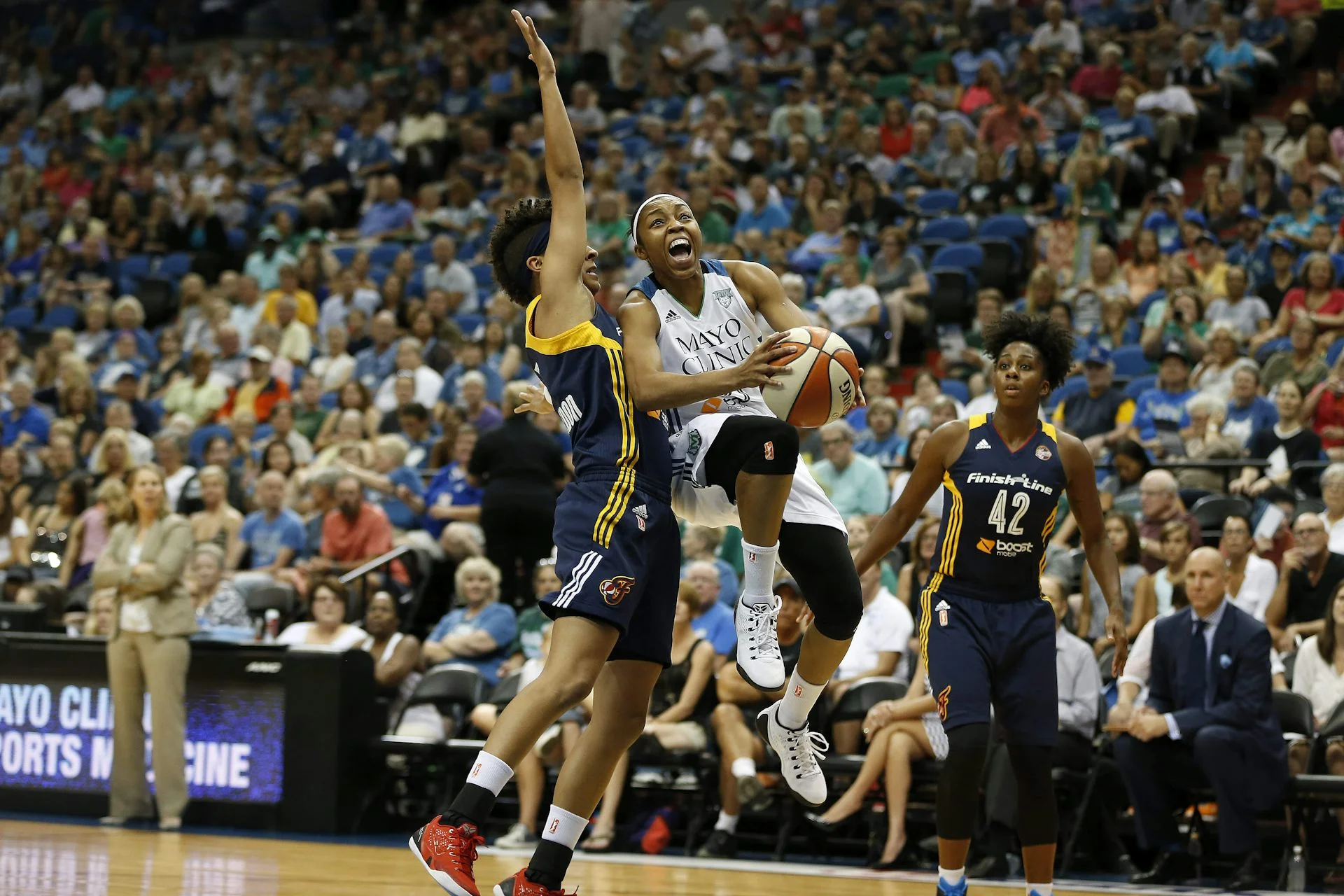
When Taylor Swift's Eras Tour was crowned the highest-grossing concert tour in history in 2024 — pulling in more than US$2 billion — it was widely celebrated as a landmark moment for women in music.
But Swift's record-shattering run didn't lift all boats. A look at the broader data tells a sobering story: among the top 27 highest-grossing concert tours of all time, not a single all-women ensemble appears, while 14 are all-male. The pattern repeats in album sales: no all-women groups appear anywhere in the top 100 best-selling artists of all time, while 41 all-men groups do.
So what made Swift different? As scholars of management who have studied organizational behavior and workplace bias, we believe her status as a solo artist is the key. Our research reveals a consistent and troubling phenomenon: women working in same-gender groups face what we call a "collaboration penalty" — one that solo women largely escape. This pattern holds across venture capital, professional sports, health care and entertainment.
The reason, our research suggests, is that all-women groups are perceived as more threatening than their male counterparts — seen as more likely to challenge existing power structures through collective action. Crucially, this bias was not limited to male respondents. Women applied it to all-female groups just as readily as men did.

The venture capital disappearing act
The evidence is sharpest in startup funding. Despite decades of diversity initiatives, all-women founding teams receive just 2.4% of venture capital dollars — a share that has barely moved in 30 years.
To understand why, we designed a controlled experiment in which participants evaluated identical venture capital pitches that differed only in the gender of the presenters and whether they were pitching solo or as a team. All-women groups were consistently described as more likely to engage in "social competition" — a term for challenging established power structures through collective action. All-men groups faced no such characterization, even when making identical pitches that emphasized diversity.
That perception had real consequences. Participants rated socially competitive teams as less deserving of funding, regardless of the pitch's actual merits. The penalty had nothing to do with competence — the content was identical. It came down entirely to what group composition implied about motivation. All-women teams were seen as pushing an agenda. All-men teams were seen as simply doing business.
Why women on teams pay a penalty
The music industry tells the same story. Solo women can reach the very top: Taylor Swift, Beyoncé, Madonna and Pink all rank among the world's highest-earning artists. But that individual success makes the erasure of all-women groups even harder to explain. If women can succeed at the highest levels on their own, why not together?
Our analysis of professional sports offers an answer. We examined prize money from 1,145 major international competitions across 44 sports between 2014 and 2021. In individual events, men and women earned comparable amounts. In team competitions, a chasm opened: all-women teams earned less than half of what all-men teams took home.
This wasn't a performance gap. The all-women teams in our dataset had won their competitions — they were champions by definition. Nor was it explained by sport popularity or revenue, since we controlled for both. Something about group composition itself was driving down compensation.
A follow-up experiment confirmed the mechanism. Participants reviewed identical athlete profiles, differing only by gender and whether the athlete competed solo or on a same-gender team. All-women groups were again rated as more socially competitive — and that perception directly predicted lower expected pay, even with identical performance statistics.
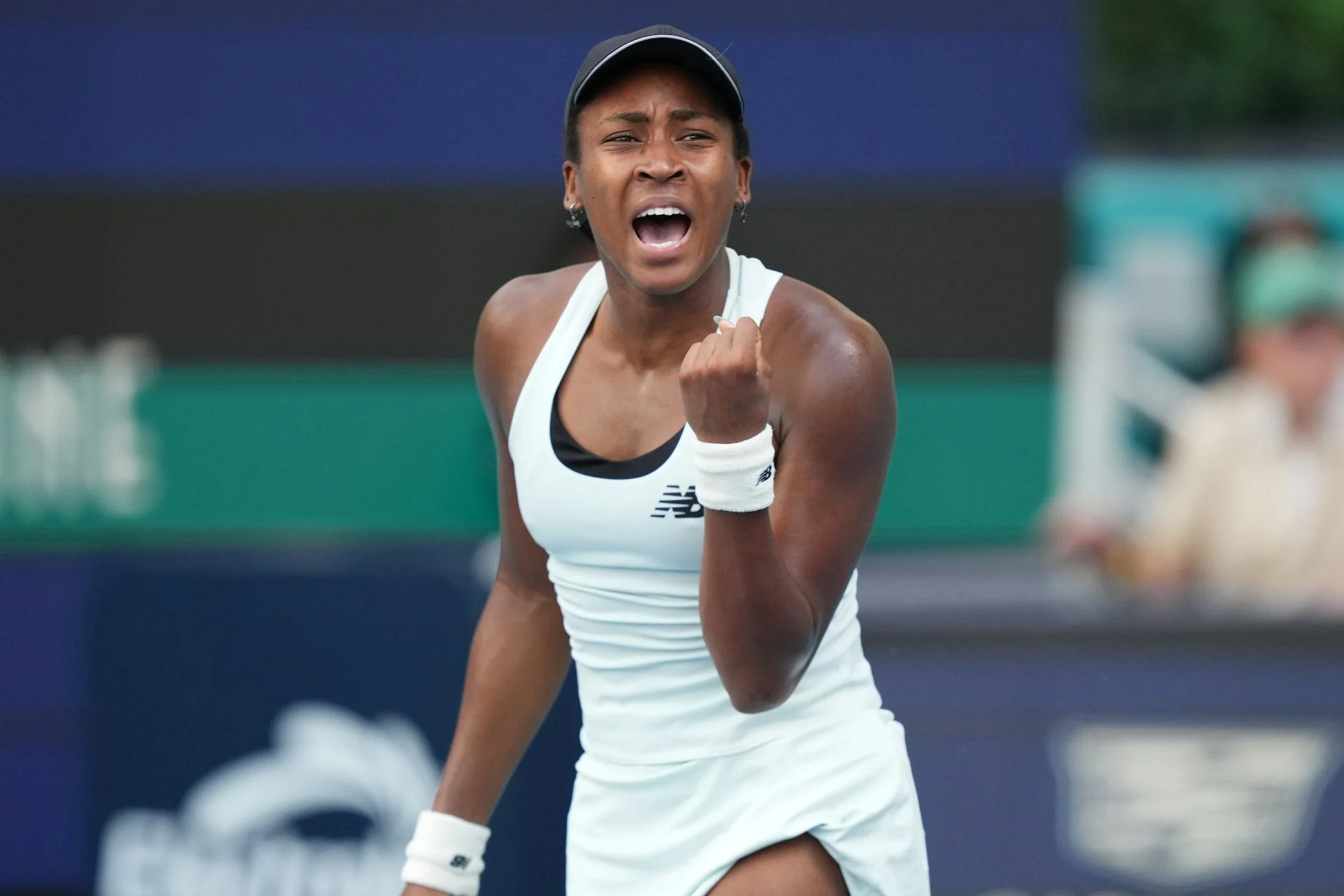
The cost to women in team sports is stark. No women appear anywhere on Forbes' list of the 50 highest-paid athletes in 2025. The highest-paid female athlete, tennis player Coco Gauff, competes individually — yet her $33 million in 2025 earnings would place her roughly 150th on the men's list. Among the top 15 highest-paid female athletes, only one plays a team sport: basketball star Caitlin Clark, who earned just $119,000 in WNBA salary during her rookie year, compared to $16 million in individual endorsements. Even Clark's commercial value is rooted in her personal brand, not her team.
It's not just elite athletes
This dynamic isn't confined to high-profile industries. We found the same effect inside a large health maintenance organization in the northwestern United States — a conventional workplace with formal pay policies and quantifiable performance metrics.
Analyzing salary data for 682 medical providers across 18 clinics, we found that solo practitioners of both genders earned comparable salaries. But among providers working in same-gender groups, the gap was dramatic. Men in all-men groups earned an average of $111,004. Women in all-women groups earned $52,497 — less than half — even after controlling for age, experience, credentials, specialty, patient satisfaction scores and clinic location. Women in all-women groups actually posted higher average patient satisfaction scores, yet still earned $58,000 less per year than their male counterparts in all-men groups.
Perhaps no example illustrates the disparity more vividly than NFL cheerleading. Cheerleaders performing at the Super Bowl earn approximately $150 to $500 for the event. The minimum NFL player salary is $885,000. Even players on the losing team who never take the field earn $103,000 — roughly 687 times what a cheerleader earns for performing throughout the entire game. Both groups face physical risk. Both perform at the same event. The difference is that one is an all-men team and the other is an all-women team.
What can be done?
Addressing this bias requires deliberate action at the organizational level. Companies should audit compensation data not just for individual gender gaps, but specifically to determine whether all-women teams systematically receive smaller bonuses and raises than all-men teams. Investors and funders should examine whether a team's gender composition influences how proposals are evaluated, independent of qualifications and business merit. And manager training should explicitly name the collaboration penalty — identifying it as an unconscious, inaccurate and economically damaging assumption.
Most importantly, it must be recognized that employees rarely choose the gender composition of their team. Women are being financially penalized for something determined by organizational demographics, project assignments and scheduling — factors entirely beyond their control.
Women can and do succeed alone. Taylor Swift, Beyoncé and Coco Gauff are proof of that. But until all-women groups receive the same legitimacy, funding and compensation as all-men groups, vast reserves of talent and economic potential will go unrealized. As our research makes clear, the collaboration penalty isn't just inequitable — it's irrational.

The authors do not work for, consult, own shares in or receive funding from any company or organization that would benefit from this article, and have disclosed no relevant affiliations beyond their academic appointment.