Americans are skipping restaurant dinners, putting off car purchases, and hunting for grocery bargains. Tariff anxiety and cost-of-living pressures have driven consumer confidence to its lowest point in more than a decade, according to The Conference Board. Increasingly, it is wealthier households that are keeping the U.S. economy's spending engine running.
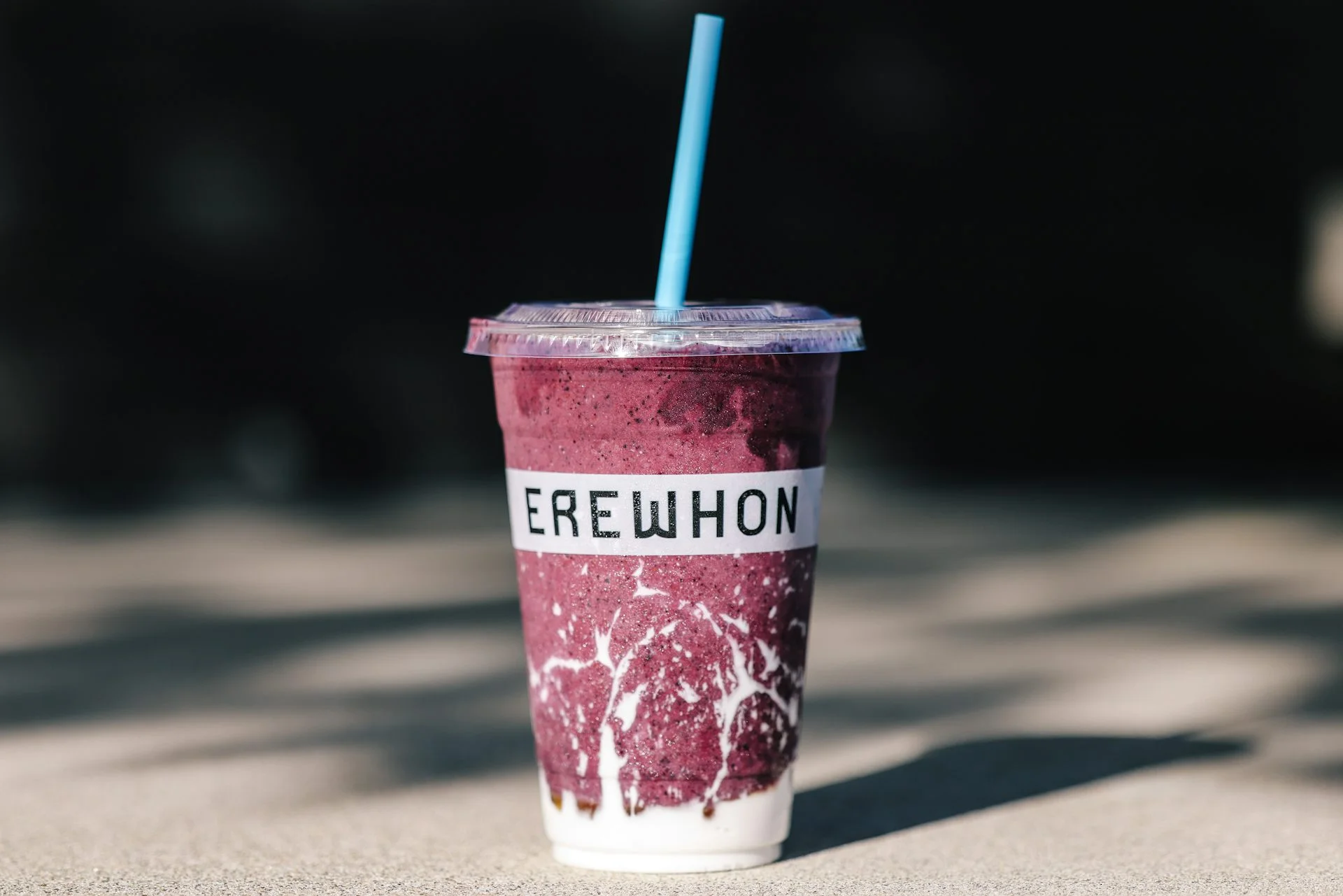
Which makes the success of a $22 Erewhon smoothie worth explaining.
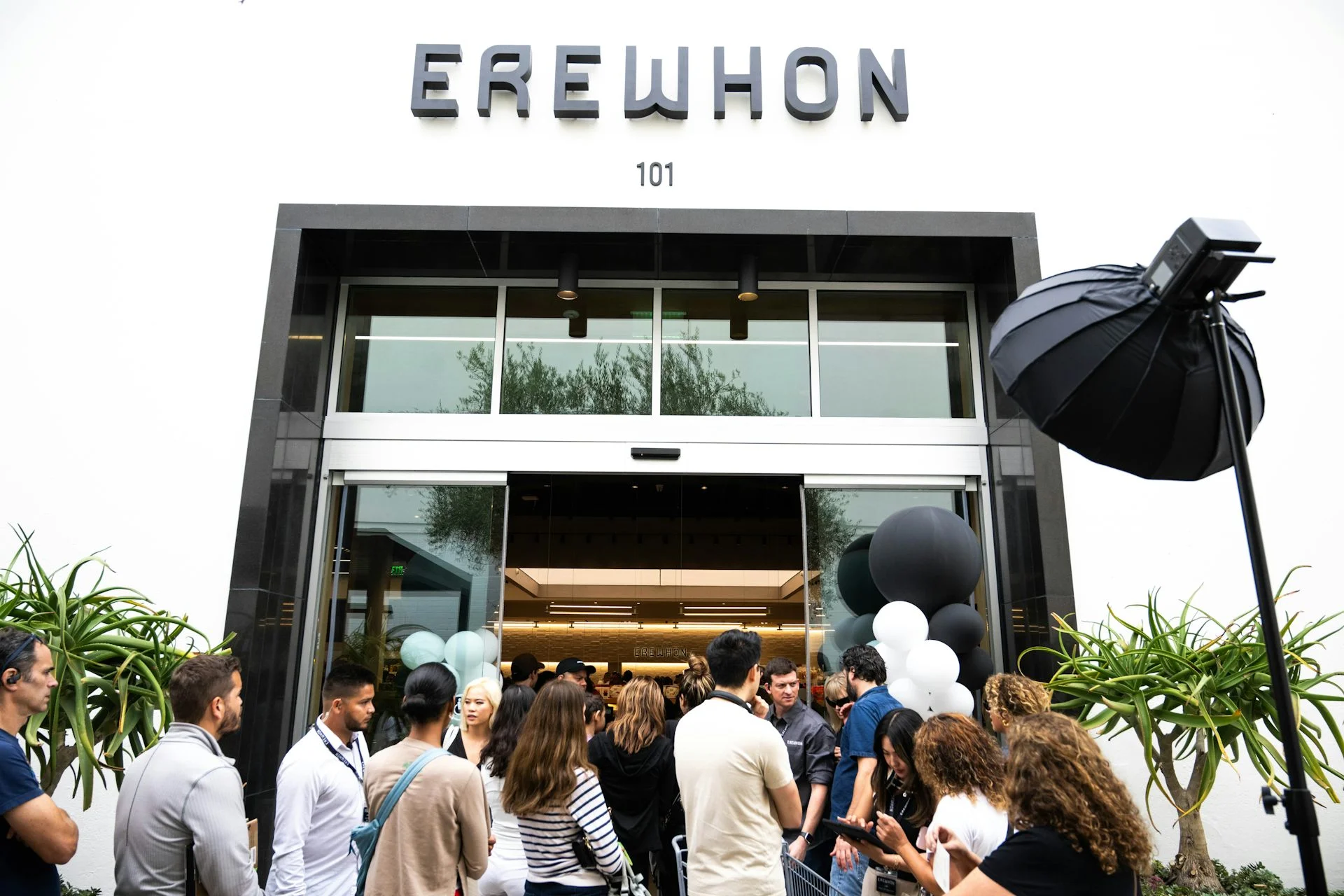
The Los Angeles-based luxury grocery chain is thriving: it opened three new stores in 2025 — its most ambitious expansion since 2011. The chain reportedly generates $1,800 to $2,500 in sales per square foot, up to five times the output of a typical American supermarket.
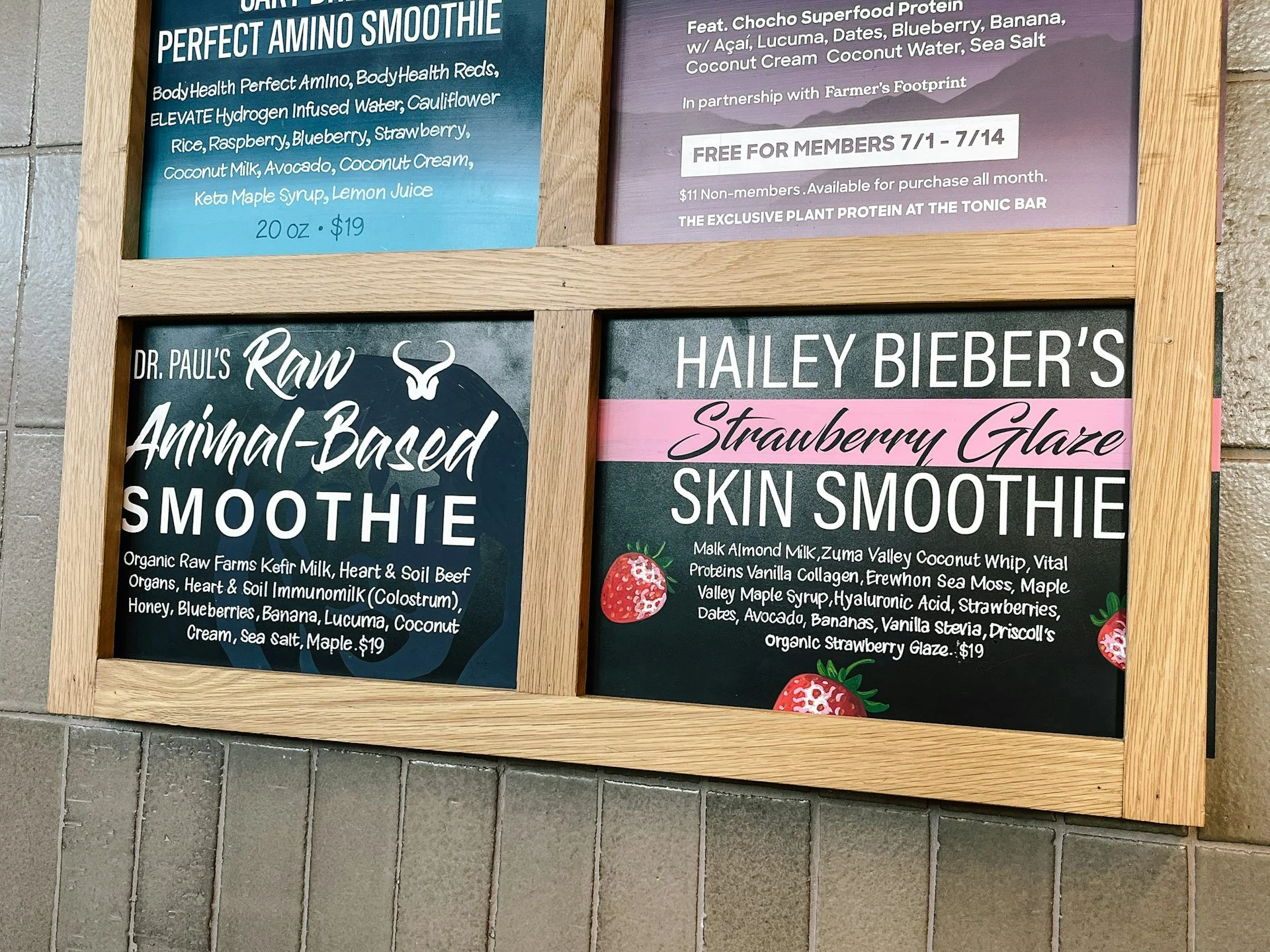
These are no ordinary blended drinks. They contain ingredients like high-grade sea moss gel, adaptogenic mushrooms, and collagen peptides — and they often carry a celebrity's name on the cup.
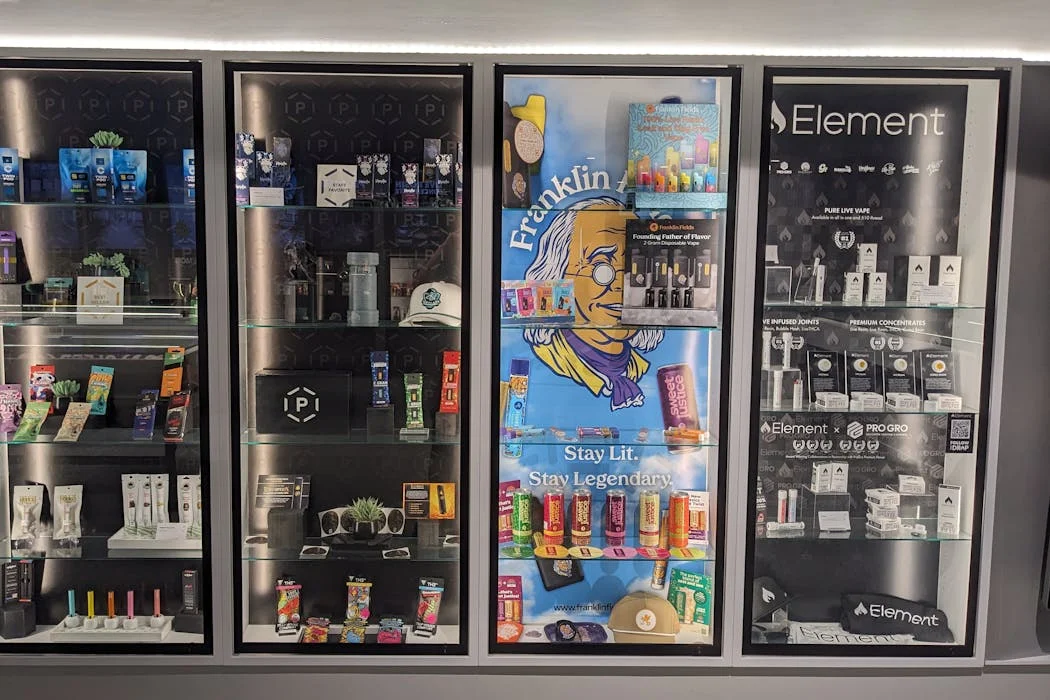
This is one vivid expression of a broader boom. The U.S. specialty food market has surpassed $219 billion — nearly 150% growth in a decade, according to the Specialty Food Association. That dwarfs the roughly 47% growth in overall U.S. grocery sales over the same period.
Independent retail data from market research firm Circana confirms the pattern: even as inflation-fatigued consumers have traded down to store brands across many categories, premium and specialty products held their ground — and even grew their dollar share through 2025. On TikTok, creators who once filmed designer-bag hauls now post $12 tinned fish boards. Craft chocolate bars priced at $8 to $12 are being marketed, without irony, as "self-care."
If consumers are this anxious, why are they still splurging? As it turns out, those two impulses aren't contradictory — they're two expressions of the same psychological reflex.
When people feel that life is out of control, they reach for something small, expensive, and virtue-signaling. This dynamic is precisely why premium food is thriving while some traditional luxury brands stumble, according to consumer psychologists.
We are professors of consumer behavior and marketing who study how purchasing decisions shift under economic uncertainty — and specifically, what accounts for the gap between how consumers feel and how they actually spend. Our research points to a consistent finding: when people lose control over the big things, they seek it in the small ones.
A quick detour through the makeup drawer
Economists have seen a version of this before.
In 2001, Estée Lauder chairman Leonard Lauder coined the "lipstick index" after noticing that lipstick sales jumped 11% in the wake of the September 11 attacks. When big luxuries feel out of reach, consumers find smaller substitutes. A $60 lipstick is extravagant as a cosmetic — but measured against the Hermès bag it psychologically replaces, it reads as a bargain.
Then, as now, people seek agency wherever they can find it. Consumer psychologists call this "compensatory consumption": buying things to restore a sense of control when life feels anything but controllable.
Even as beauty sales soften, that compensatory impulse hasn't disappeared. It has simply migrated — and food has become its ideal host.
Food is experiential: you taste it, smell it, savor it. It's emotional, bound up with comfort, care, and memory. And in the social media age, it's highly visible — what you eat is as public as what you wear. Premium food isn't just consumed; it's filmed, posted, and performed.
Crucially, it remains relatively accessible. Twenty-two dollars is an absurd price for a drink — but it's a bargain compared with a $400 wellness retreat.
Indulgence with a side of virtue
Here is what separates this moment from Lauder's lipstick index. That phenomenon was fundamentally about pleasure — indulgence as consolation. Today's premium food purchases carry an additional layer: they are coded as virtuous.
An Erewhon smoothie isn't just a treat. It's organic, superfood-enriched, and wellness-aligned. By the same logic, a $20 bottle of single-estate olive oil isn't cooking fat — it's a commitment to craft and health. Premium tinned fish isn't convenience food; it's sustainably sourced wild protein in packaging beautiful enough to display on a shelf.
This "virtue coding" does the most important psychological work in the transaction: it transforms indulgence into self-investment. You're not splurging during a downturn; you're prioritizing your health. You're not being frivolous; you're supporting small producers. Research shows that people need justifications for pleasurable purchases, especially during times of financial anxiety — and premium food is powerful precisely because the justification is baked in. The organic label, the sustainability story, the wellness framing: they dissolve guilt before it even has a chance to form.
Consumed in the kitchen and again on the feed
There's a reason this trend is accelerating now. Many premium food purchases are effectively consumed twice — once physically, once digitally. The Erewhon smoothie isn't really just about the drink; it can be as much about the content opportunity as the calories. The tinned fish board is arranged for Instagram before anyone takes a bite.
Social media doesn't merely amplify the trend — it completes it. Posting a photo of the smoothie broadcasts that you value wellness, quality, and intentionality. In a cultural moment when flaunting a designer bag can feel tone-deaf, food provides perfect cover. It's the safest status symbol available. It's no surprise that one YouTube video of an Erewhon haul by food creator @KarissaEats has accumulated more than 14 million views.
All of this invites a fair question: doesn't the much-discussed "K-shaped economy" simply explain the boom? Many economists argue that lower- and middle-income households are pulling back sharply under the weight of health care, housing, and education costs, while wealthier consumers are picking up the slack — splurging on luxury and powering GDP growth.
Under that framework, premium food thrives because it remains affordable for people who are doing fine, even as everyone else cuts back. That's partly true. But it doesn't explain why affluent consumers are gravitating toward premium groceries instead of, say, designer handbags.
That's where the virtue framing becomes essential. If this were purely a story about disposable income, traditional luxury would be booming too. It isn't. LVMH — the conglomerate behind Louis Vuitton and Dior — saw its fashion division's profits fall 13% across all of 2025.
Even consumers with plenty of disposable income need psychological permission to spend during anxious times. The premium food phenomenon isn't just about who can afford to splurge — it's about why food has become the thing they choose to splurge on.
And when a smoothie becomes a status symbol, it reveals something stark about economic security more broadly. Food prices have climbed nearly 30% since 2019, outpacing the 23% rise in overall consumer prices, according to the Bureau of Labor Statistics. For a family stretching a tight grocery budget, $22 isn't a smoothie. It's dinner.
The need for control, the desire for identity, the comfort of virtue-coded permission — these are universal impulses. A single mother working two jobs feels the same craving for agency as the influencer filming her grocery haul. The difference is which purchases are available to satisfy those needs. The justification only works if you can afford the indulgence.
What's really in the cart
The next time you reach for something a little more expensive than strictly necessary at a grocery store, it's worth pausing — not to put it back, but to consider what you're actually reaching for.
Chances are it isn't really about the product. It's about the feeling of choosing something when the world feels out of hand.
A $22 smoothie is never just a smoothie. It's what people reach for when they need permission to feel OK.

The authors do not work for, consult, own shares in or receive funding from any company or organization that would benefit from this article, and have disclosed no relevant affiliations beyond their academic appointment.